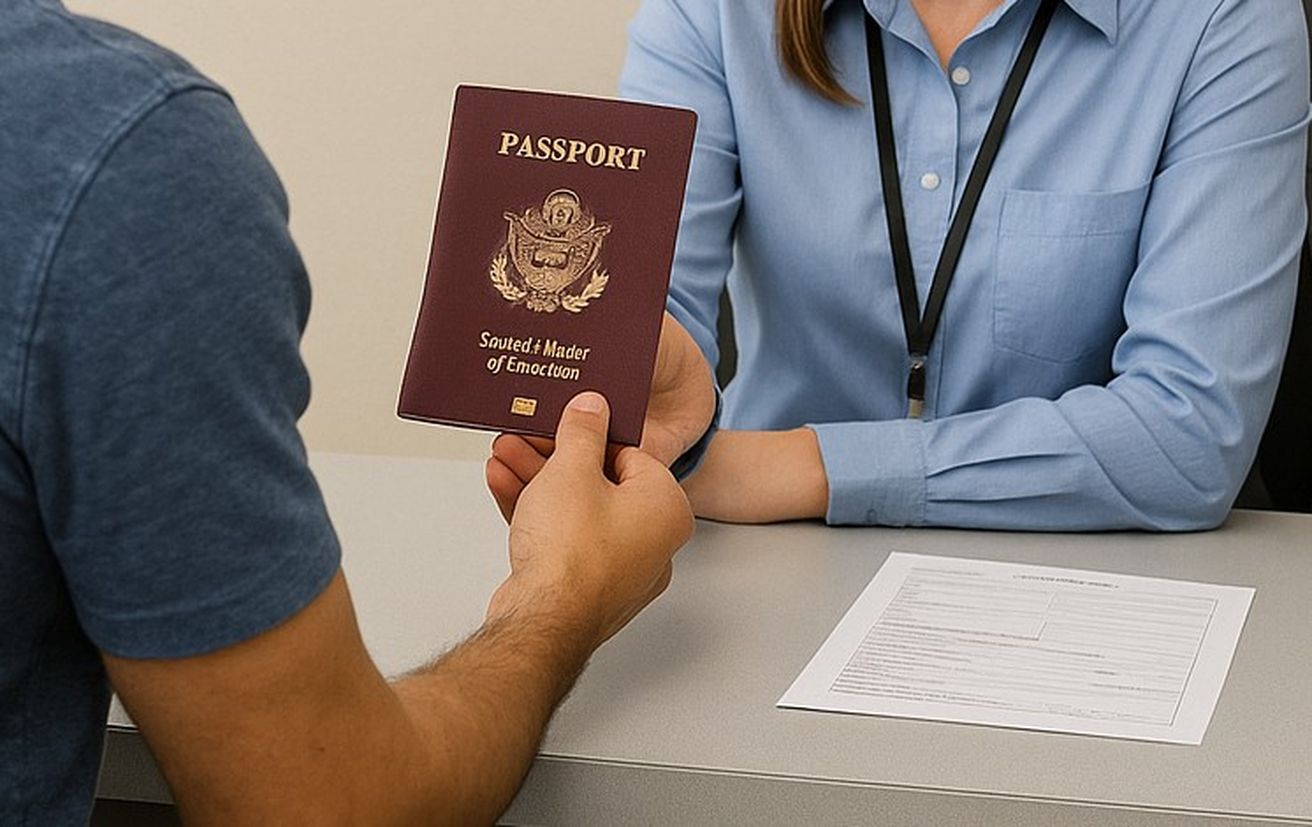

Do you need a passport to travel to Germany?
Planning a city break in Berlin, a business trip to Frankfurt or a weekend getaway to Munich – and wondering whether you can travel without your passport?
You are not alone. Many British travellers assume that because Germany is in the Schengen area, border checks within Europe are relaxed. But since Brexit, the rules are very different: you must have a valid British passport to enter Germany.
Travel to Germany after Brexit – passport required
As a British citizen, you can travel to Germany visa-free for short stays of up to 90 days within a 180-day period. However, you must still follow the Schengen entry rules.
This means:
You must show a valid passport when entering Germany.
Your passport must have been issued within the last 10 years.
Your passport must be valid for at least 3 months after the day you plan to leave Germany.
You may not always be checked at the border, but you must be able to present your passport at any time.
Can you be denied entry without a passport?
Yes. If you cannot present a valid passport, the German border police can legally refuse your entry into the country.
A UK driving licence, NHS card or any other ID is not a valid travel document for entering Germany.
Border refusals are rare, but they do happen – which is why travelling without a passport is simply not possible for British citizens.
Your passport must be valid for the entire duration of your stay
To enter Germany, your passport must:
Be less than 10 years old on the date you enter the country.
Be valid for at least 3 months after your departure date.
If your passport does not meet these conditions, you may be stopped at the border or denied boarding by your airline.
If your passport is expiring soon, make sure to renew it in good time through HM Passport Office. Here you can read everything you need to know about renewing your passport. It usually takes a few weeks, but if you need to leave at short notice, you can be issued with a temporary passport.
Emergency travel documents
If your passport is lost, stolen or expired close to your departure date, you can apply for a UK Emergency Travel Document (ETD). If you have lost your passport, we recommend that you read our guide 'What to do if you lose your passport'.
An ETD is usually accepted for entry into Germany, but rules may change. For maximum certainty, always check with the German Embassy in London.
If you are travelling on to a transit country, you should also contact the embassy of that country. Not all countries recognise temporary passports, and some require special visas.
Refugee travel documents and stateless person passports
If you hold a UK-issued Refugee Travel Document or a Stateless Person’s Travel Document, the rules may differ.
Germany generally recognises these documents, but depending on your status, you may need a visa. You should therefore contact the German Embassy in London to ensure that you do not risk being denied entry.
Do children need their own passport?
Yes, the rules still apply to children. All children – including infants – must have their own passport. It is not possible to include children in their parents' passports.
When ordering a passport for children, consent from boths parents or guardians is required, and the application must be submitted to HM Passport Office.
Is a national ID card an alternative to a passport?
No.
Since Brexit, British citizens cannot use an ID card to enter EU or Schengen countries.
Only EU/EEA nationals can travel within the Schengen area using national ID cards.
For UK travellers, a valid passport is always required for entry into Germany.
If you lose your passport in Germany
If you are unfortunate enough to lose your passport during your stay, you must immediately contact the local police to obtain a report, and then the British Embassy in Berlin.
They can issue a British emergency passport or EU emergency passport so that you can travel home. Remember that these are only valid for a short period of time, so order a new passport as soon as possible when you get home.
Passport rules and your responsibility
Border regulations may feel bureaucratic, but they are strictly enforced.
It is your responsibility as a traveller to ensure:
Your passport is valid.
You meet Schengen entry requirements.
Your travel document is accepted in all countries on your itinerary.
Before you travel, check the latest updates from the UK Foreign, Commonwealth & Development Office (FCDO).
Although the British passport is one of the passports that gives access to the most countries, there are still places that British citizens cannot easily visit. You can read about this in our guide to countries you cannot travel to with a UK passport.
If in doubt, contact the authorities
If you are unsure whether your passport is valid or whether British extended passports are recognised at your destination, contact the German Embassy or the Ministry of Foreign Affairs.
This may seem unnecessary, but the rules can change at short notice, especially if temporary border controls are introduced.
When travelling by plane
If you are flying to Germany, you must always present your passport at check-in or boarding.
If you have forgotten your passport, you may be denied boarding, and the airline is under no obligation to refund your ticket.
We help when your trip goes wrong
Even when you have your passport and travel documents in order, disruptions can still occur when travelling.
Delayed flights, cancellations or denied boarding happen more often than you might think – and that's where we can help you.
We will obtain compensation and refunds for you when the airline fails to meet its obligations.
Under Regulation (EC) No 261/2004, you can receive up to €600 in compensation if your flight is delayed by more than three hours, cancelled, or if your flight is cancelled at short notice.
Simply enter your flight details here, and we will take care of the rest – without risk and without hassle.